Supply chain management is being transformed by artificial intelligence, enabling companies to optimize operations, reduce costs, and improve customer satisfaction through predictive analytics and intelligent automation.
The complexity of modern supply chains requires sophisticated tools that can process vast amounts of data and make real-time decisions to maintain efficiency and resilience.
Demand Forecasting
AI-powered demand forecasting systems analyze historical data, market trends, seasonal patterns, and external factors to predict future demand with unprecedented accuracy. This capability allows businesses to optimize inventory levels and reduce waste.
Key forecasting capabilities:
- Multi-variable analysis incorporating weather, events, and trends
- Real-time demand signal detection
- Seasonal pattern recognition and adaptation
- Promotion impact prediction
- New product demand modeling
Route Optimization
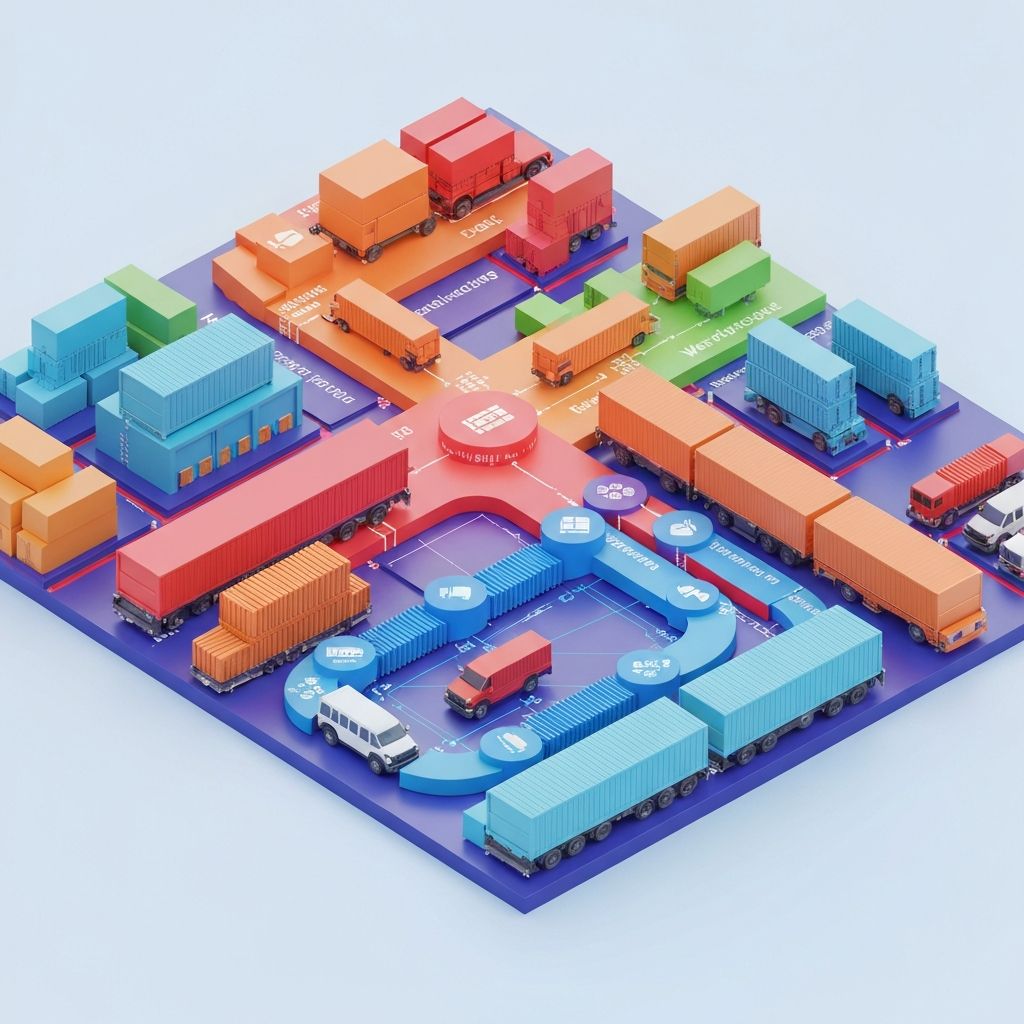
Machine learning algorithms can calculate optimal delivery routes considering multiple variables such as traffic patterns, weather conditions, delivery windows, and vehicle capacity. This optimization reduces fuel costs, improves delivery times, and enhances customer satisfaction.
Dynamic Routing
Advanced systems continuously adjust routes in real-time based on changing conditions, ensuring maximum efficiency even when unexpected events occur.
Inventory Management
AI systems monitor inventory levels across multiple locations, automatically triggering reorders when stock reaches optimal reorder points. These systems consider lead times, supplier reliability, and demand variability to maintain the right balance between availability and carrying costs.
Management features:
- Automated reorder point calculation
- Multi-location inventory balancing
- Safety stock optimization
- Supplier performance tracking
- Expiration date management
Risk Management
Supply chain disruptions can have severe consequences. AI systems monitor global events, supplier health, geopolitical situations, and other risk factors to provide early warning of potential disruptions, allowing companies to take proactive measures.
By identifying alternative suppliers, adjusting inventory strategies, and rerouting shipments before problems arise, AI-powered risk management helps maintain business continuity.
Quality Control
Computer vision and machine learning are revolutionizing quality control processes. AI systems can inspect products at speeds and accuracy levels impossible for human workers, identifying defects, ensuring compliance, and maintaining brand reputation.
The integration of AI throughout the supply chain creates a more responsive, efficient, and resilient system capable of adapting to the demands of modern commerce.