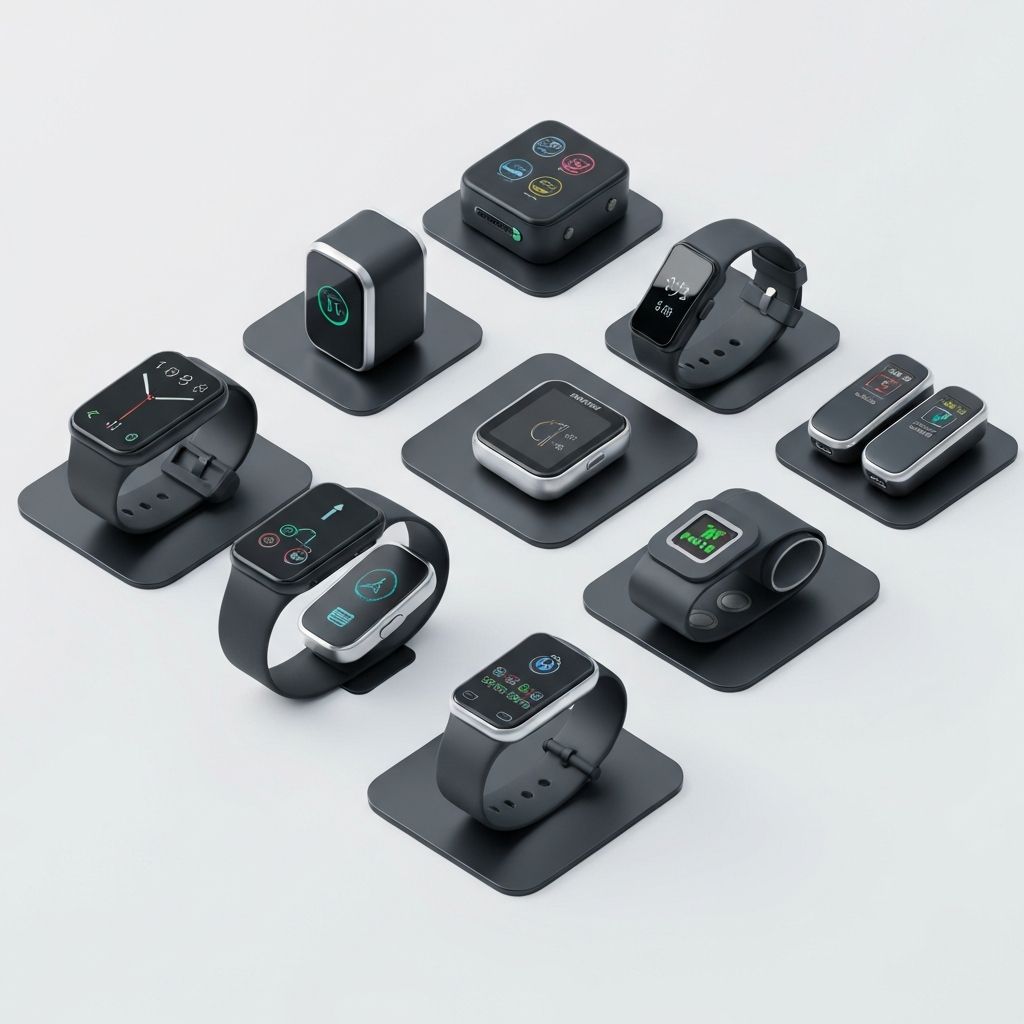
The Internet of Things and wearable technology are ushering in a new era of healthcare where continuous monitoring and early intervention are becoming the norm rather than the exception.
These connected devices are empowering patients to take control of their health while providing healthcare providers with unprecedented insights into patient wellbeing between clinic visits.
Continuous Health Monitoring
Modern wearable devices track a wide array of health metrics throughout the day and night, creating comprehensive health profiles that reveal patterns and trends invisible to traditional periodic check-ups.
Monitored metrics include:
- Heart rate and heart rate variability
- Blood oxygen saturation levels
- Sleep stages and quality
- Physical activity and exercise intensity
- Body temperature fluctuations
- Respiratory rate
- Electrocardiogram readings
Early Warning Systems
By analyzing continuous data streams, AI algorithms can detect subtle changes that might indicate developing health issues. These early warning systems can alert users and their healthcare providers to potential problems before symptoms become severe.
Predictive Alerts
Machine learning models trained on millions of data points can predict events like atrial fibrillation, respiratory infections, and metabolic changes, enabling timely intervention.
Remote Patient Monitoring
Healthcare providers can monitor patients with chronic conditions remotely, adjusting treatment plans based on real-time data without requiring frequent office visits. This approach improves outcomes while reducing healthcare costs and patient burden.
Benefits for chronic disease management:
- Real-time medication adherence tracking
- Automated vital sign reporting
- Early detection of condition deterioration
- Reduced hospital readmissions
- Improved quality of life
Medication Management
Smart pill dispensers and medication tracking apps help patients maintain medication schedules, reducing the risk of missed doses or dangerous drug interactions. These systems can alert patients, caregivers, and healthcare providers when medications are not taken as prescribed.
Emergency Response
Advanced wearables can detect falls, irregular heart rhythms, and other emergency situations, automatically alerting emergency contacts or services. This capability is particularly valuable for elderly individuals living independently or patients with conditions that increase risk of sudden medical events.
Integration capabilities include:
- Automatic emergency service notification
- Location sharing for rapid response
- Medical history transmission to first responders
- Two-way communication features
Data Privacy and Security
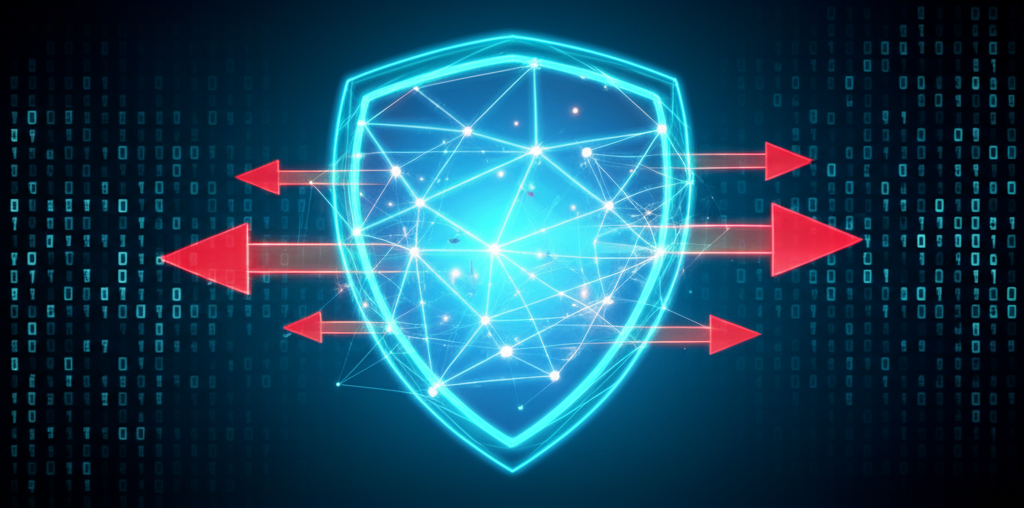
As health data becomes increasingly digitized and shared, ensuring privacy and security is paramount. Healthcare IoT devices must comply with strict regulations while implementing robust encryption and access controls to protect sensitive patient information.
The future of healthcare lies in this connected ecosystem where devices, providers, and patients work together to maintain health proactively rather than reactively treating illness.